
Social Media Marketing Campaigns Proven to Boost Growth: Effective Strategies and Success Insights
Introduction
Social media marketing campaigns have become essential tools for brands seeking to expand their reach and drive business growth. With increased competition on digital platforms, businesses must optimize their strategies to connect with their target audience, improve engagement, and boost revenue. This article offers a comprehensive analysis of effective social media strategies, campaign examples, best practices, AI-powered optimization, and methods to measure return on investment (ROI). Readers will learn how audience targeting, quality content creation, posting frequency, and optimal timing can transform campaign performance. Real-world success stories from small businesses and SaaS companies illustrate practical applications, while lessons from failed attempts guide brands on avoiding common pitfalls. By synthesizing expert advice and data-backed strategies, this resource provides marketers with a competitive edge in the digital landscape.
In the sections that follow, each major heading is supported by an image placeholder and covers actionable guidelines for planning, executing, and optimizing social media campaigns. As platforms evolve, understanding these fundamentals remains critical for brands and agencies alike.
What Are the Most Effective Social Media Strategies to Boost Growth?
Effective social media strategies combine audience-targeted content, precise advertising, and data-driven adjustments. Successful brands start with thorough market research and competitor analysis to identify trends and gaps. They then leverage insights from social media analytics to refine their creative messaging. By integrating paid social media with organic content, brands ensure their message reaches loyal followers as well as new prospects, maximizing both reach and engagement.
How Does Audience Targeting Improve Campaign Results?
Audience targeting ensures that campaigns reach individuals most likely to convert. By structuring campaigns around specific demographic, geographic, and behavioral characteristics, advertisers can tailor content for higher engagement. For example, targeting a youthful demographic with dynamic, visually appealing posts often leads to increased interaction. Tools that combine customer relationship management with social media analytics allow marketers to measure ad precision, optimize bidding strategies, and reduce conversion costs. Case studies consistently show improved click-through and conversion rates when employing lookalike audiences and interest-based segmentation.
Which Content Types Drive the Highest Engagement?
High-engagement content aligns with audience preferences while delivering tangible value. Videos, infographics, interactive polls, and user-generated content perform exceptionally well on platforms like Facebook, Instagram, and LinkedIn. Videos capture attention quickly and help explain complex concepts, while interactive formats such as polls or quizzes prompt direct participation. Carousel posts and stories, which use multiple ad creatives to tell a cohesive narrative, tend to sustain viewer interest. Curated visual content can yield engagement rates two to three times higher than text-only posts, especially when aligned with trending topics and cultural events.
How Can Posting Frequency and Timing Maximize Reach?
Strategic posting frequency and timing are vital for maximizing reach. By using analytics to identify peak activity periods, brands can schedule posts to coincide with when their audiences are most active. A consistent but well-paced posting frequency prevents audience fatigue and increases the likelihood of content appearing in feeds and “Explore” sections. Industry studies suggest that a regular schedule can enhance overall reach by as much as 25%. Testing different frequencies and timings, along with continuous A/B testing, can help optimize results.
What Are Proven Social Media Campaign Examples That Drive Growth?
Proven social media campaigns serve as benchmarks for success by yielding measurable growth. Such campaigns typically combine creative content, influencer partnerships, and paid promotion. For example, targeted video content and carousel ads on Facebook and Instagram have driven substantial increases in brand awareness and sales. Additionally, Twitter campaigns centered on real-time engagement and LinkedIn’s focus on thought leadership have both delivered impressive outcomes across various industries.
Which Campaigns Achieved Measurable Growth on Facebook and Instagram?
Successful campaigns on Facebook and Instagram often feature a blend of storytelling and targeted advertising. One campaign by a mid-sized retail brand, for instance, launched a new product line using Instagram stories, reels, and carousel posts. The blend of user-generated content and innovative hashtag challenges resulted in a 45% increase in engagement along with a 30% boost in conversion rates. Similarly, Facebook campaigns that leverage custom audiences for retargeting have shown clear improvements in reach, click-through rates, and overall sales volume.
How Do Twitter and LinkedIn Campaigns Differ in Engagement?
Twitter and LinkedIn campaigns differ in style and audience. Twitter campaigns thrive on real-time interactions, featuring quick updates, trending hashtags, and viral challenges that promote rapid sharing. In contrast, LinkedIn campaigns are tailored for a professional audience; they often feature longer-form content, expert interviews, and industry insights that encourage thoughtful engagement. This highlights the importance of customizing content and messaging to suit each platform’s user behavior.
What Role Does Influencer Collaboration Play in Campaign Success?
Influencer collaborations enhance credibility and expand reach. When trusted influencers share brand messages, their endorsements boost authenticity and encourage higher engagement. For example, lifestyle and beauty brands often use influencer partnerships on Instagram to drive direct traffic and conversions. Studies show that campaigns featuring influencers can achieve engagement rates three to four times higher than those without, as influencer content provides social proof and resonates through creative storytelling.
How Can You Increase Social Media Engagement to Boost Growth?
Increasing social media engagement is achieved by crafting content that resonates and prompts active participation. Experimenting with various post formats, interactive elements, and real-time techniques can significantly boost interaction. By using data to understand audience behavior, brands can optimize their posts to build community trust and encourage organic sharing. Engagement is driven when users feel authentically valued through transparent communication.
What Are Best Practices for Crafting Engaging Social Media Content?
Creating engaging content hinges on delivering clear, valuable, and visually appealing messages. Start with a compelling hook and a clear value proposition; use high-quality images and concise copy that reinforces the brand voice. Storytelling is a powerful tool that invites discussion and emotional responses. Incorporating statistics, case studies, or testimonials can further add depth and credibility. Regular testing of different formats, along with monitoring metrics like time spent on posts, helps refine the overall content strategy.
How Do Interactive Features Like Polls and Stories Enhance Engagement?
Interactive features, such as polls, quizzes, and stories, turn passive viewers into active participants. These elements invite users to share opinions and feedback, and they often drive additional content creation through contests or challenges. For instance, polls not only provide insights into audience preferences but also create real-time engagement opportunities. Instagram and Facebook Stories offer ephemeral, creative interactions that stimulate quick responses, often leading to a 25–40% boost in engagement.
Which Metrics Best Measure Engagement Success?
Key engagement metrics include reach, impressions, click-through rates (CTR), likes, comments, shares, and video views. Advanced metrics like engagement rate per follower and sentiment analysis further help assess audience behavior. These KPIs enable marketers to gauge the effectiveness of their strategies and optimize call-to-action elements. Tools such as Sprout Social, Hootsuite, and native analytics dashboards are invaluable for tracking these metrics across multiple channels.
What Are the Best Practices for Social Media Marketing Campaigns?
Successful social media campaigns rely on consistent branding, data-driven decision making, and effective automation. A consistent visual and verbal identity builds trust and recall, while decisions based on engagement and conversion data ensure strategies are tuned to audience behavior. Automation tools further streamline content scheduling, reporting, and customer interaction, allowing marketers to focus on creative strategy while maintaining overall campaign efficiency.
How Does Consistent Branding Influence Campaign Effectiveness?
Consistent branding builds a recognizable identity that fosters trust and loyalty over time. A unified visual style and tone across platforms not only enhance recall but also simplify campaign monitoring by increasing engagement metrics. Research indicates that brands with strong consistency often experience significant revenue growth, as repeated exposure to a coherent brand message drives site visits and conversions.
Why Is Data-Driven Decision Making Critical for Campaign Optimization?
Using data to drive decisions removes guesswork and allows marketers to adjust tactics in real time. By analyzing metrics such as engagement rates, audience demographics, and conversion statistics, brands can identify which elements resonate and when to pivot strategies. A/B testing and continuous monitoring ensure that campaigns stay relevant amid changing social media algorithms, leading to improved ROI.
How Can Automation Tools Streamline Campaign Management?
Automation tools reduce manual workload and ensure content is deployed at optimal times. Integrated platforms like Hootsuite, Sprout Social, and HubSpot facilitate scheduling, analytics, and social listening. Automated reporting and real-time alerts allow rapid response to customer feedback, ensuring consistent posting and efficient campaign optimization.
What Are Social Media Marketing Success Stories That Inspire Growth?
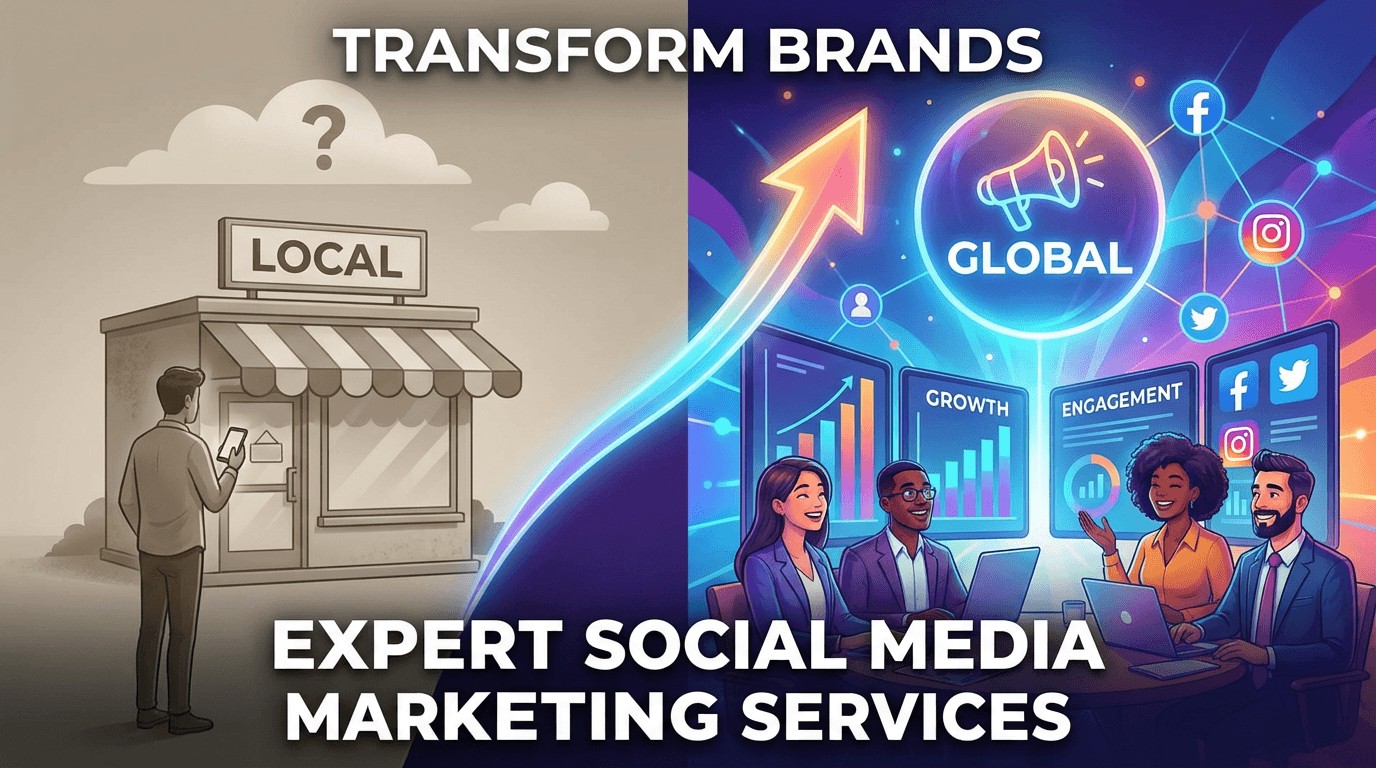
Success stories in social media marketing demonstrate how targeted campaigns can yield powerful results. Companies that scale from local to national prominence often combine innovative content, influencer partnerships, and strategic analytics. These case studies provide valuable lessons on leveraging agile strategies and data adaptation for rapid growth, proving that even modest budgets can achieve impressive returns.
Which Small Businesses Have Scaled Using Social Media Campaigns?
Several small businesses have successfully scaled using well-planned social media campaigns. For example, a boutique fashion retailer used Instagram influencers and visually captivating stories to expand its customer base, achieving a 50% sales increase in six months. Similarly, a local restaurant chain effectively used Facebook ads and interactive posts to boost both foot traffic and online orders. These cases show that creative and agile strategies can help small operations gain nationwide recognition.
How Have SaaS Companies Leveraged Social Media for Rapid Growth?
SaaS companies often use thought leadership content and targeted advertising to drive rapid growth. Many use LinkedIn to post expert articles, case studies, and video testimonials that highlight their product benefits and establish industry authority. One mid-sized software provider reported over a 40% increase in trial signups after combining sponsored posts, webinars, and customer testimonials across LinkedIn and Twitter. Such strategies demonstrate the synergistic relationship between digital marketing and social media in accelerating user acquisition and brand recognition.
What Lessons Can Be Learned From Failed Campaigns?
Failed campaigns offer valuable insights by highlighting common pitfalls such as inconsistent messaging, poor audience targeting, and inadequate data analysis. Campaigns that rely on generic content without segmentation tend not to convert effectively. Additionally, a lack of follow-up with potential leads can result in missed opportunities. By learning from these missteps, brands can adopt targeted testing, maintain consistent branding, and invest in continuous performance measurement to avoid repeated mistakes.
How Does AI-Powered Optimization Enhance Social Media Campaign Performance?
AI-powered optimization boosts campaign performance by automating tasks, predicting audience behavior, and refining content strategy using machine learning algorithms. These tools rapidly analyze large data sets to identify trends, optimize ad spending, and personalize content recommendations. By fine-tuning targeting strategies based on historical and real-time data, AI ensures that every advertising dollar is used effectively. This leads to significant improvements in engagement, conversion rates, and overall ROI.
What AI Features Improve Audience Targeting and Content Suggestions?
Key AI features include predictive analytics, natural language processing (NLP), and sentiment analysis. Predictive analytics helps identify the audience segments most likely to convert, while NLP pinpoints trending topics and suggests language that maximizes engagement. Sentiment analysis measures audience emotions, allowing marketers to adjust tone accordingly. Together, these features ensure that content is both well-targeted and emotionally resonant.
How Does a Unified Analytics Dashboard Support Growth Tracking?
A unified analytics dashboard brings together data from multiple social media channels into one coherent view. This integration allows marketers to track key performance indicators—such as impressions, CTR, and conversion data—in real time. Visual tools like graphs and heat maps help decision-makers quickly spot trends and adjust strategies, while centralized data promotes coordinated collaboration across teams.
In What Ways Does Team Collaboration Impact Campaign Success?
Effective team collaboration enhances campaign success by integrating creative, design, and analytical perspectives. Collaborative tools that allow real-time updates, file sharing, and task management foster an environment where fresh ideas lead to innovative campaigns. This synergy not only ensures consistent messaging but also enables rapid problem resolution, contributing to higher engagement and more robust outcomes.
How Can You Measure and Analyze the ROI of Social Media Marketing Campaigns?
Measuring the ROI of social media campaigns requires tracking key performance indicators, comparing costs to generated revenue, and analyzing engagement data. Tools like Google Analytics, Facebook Insights, and third-party platforms provide detailed insights into metrics such as click-through and conversion rates. By setting clear benchmarks and continuously monitoring performance, marketers can identify which tactics are successful and adjust future campaigns for improved efficiency.
What Key Performance Indicators (KPIs) Indicate Campaign Growth?
Essential KPIs include reach, engagement rate, click-through rate, conversion rate, cost per conversion, and customer retention rate. Metrics like social share of voice and sentiment analysis also shed light on brand perception and community engagement. Together, these indicators provide a comprehensive overview of both short-term successes and long-term growth, guiding resource allocation and strategic planning.
How Do Automated Reports Facilitate Faster Decision Making?
Automated reports deliver real-time performance data in an easily digestible format, enabling quick assessments and timely adjustments. By consolidating data from multiple channels into one report, these tools reduce manual labor and minimize errors, ensuring that decisions are based on accurate, current information—a critical advantage in fast-paced digital environments.
What Tools Provide Comprehensive Cross-Channel Analytics?
Platforms such as Sprout Social, Hootsuite, HubSpot, and Google Analytics offer comprehensive cross-channel analytics. They integrate data from various social media platforms into unified dashboards, provide custom reporting, automated alerts, and real-time monitoring. These features allow marketers to follow the user journey from initial engagement to conversion, ensuring that every campaign element is carefully measured and optimized.
Frequently Asked Questions
Q: How important is audience targeting in social media campaigns?
A: Audience targeting is crucial as it ensures that content reaches those most likely to take the desired action. Data-driven segmentation based on demographics, interests, and behavior allows brands to tailor messaging, improve engagement, and drive higher conversions.
Q: What impact does posting frequency have on engagement?
A: Posting frequency is key to maintaining visibility and interest. A well-timed, balanced schedule prevents content fatigue while ensuring that posts align with the audience’s online habits for optimal engagement.
Q: Can influencer collaborations really enhance campaign performance?
A: Yes, influencer collaborations leverage trusted voices to enhance authenticity and reach. Their endorsements tend to boost engagement rates and help drive both brand awareness and conversions.
Q: What role does automation play in managing social media campaigns?
A: Automation streamlines repetitive tasks, ensures optimal scheduling, and provides detailed performance reports. This efficiency supports consistent posting and data-driven decision-making, leading to improved ROI.
Q: How do AI-powered tools optimize social media strategies?
A: AI-powered tools analyze vast datasets in real time, predict audience behavior, and suggest personalized content improvements. They refine targeting and content relevance, helping to adjust budgets for maximum campaign impact.
Q: What metrics should be prioritized when measuring social media ROI?
A: Key metrics include engagement rate, click-through rate, conversion rate, reach, and cost per conversion. Analyzing these in combination guides strategic modifications and resource allocation.
Q: How can brands ensure consistent messaging across multiple social platforms?
A: Brands can maintain consistency by developing a clear style guide outlining tone, visual identity, and key messaging. Centralized content management systems and automation tools further ensure adherence to established guidelines.
Final Thoughts
This article has provided an in-depth exploration of social media marketing campaigns and the strategies that drive growth. By integrating targeted audience strategies, engaging content formats, and advanced analytics, brands can significantly enhance their digital presence. The use of influencer partnerships, AI-powered tools, and cross-channel analytics creates a robust framework for maximizing campaign impact. Ultimately, these actionable insights empower marketers to elevate their social media performance and achieve sustained growth.

justin
Contributor