
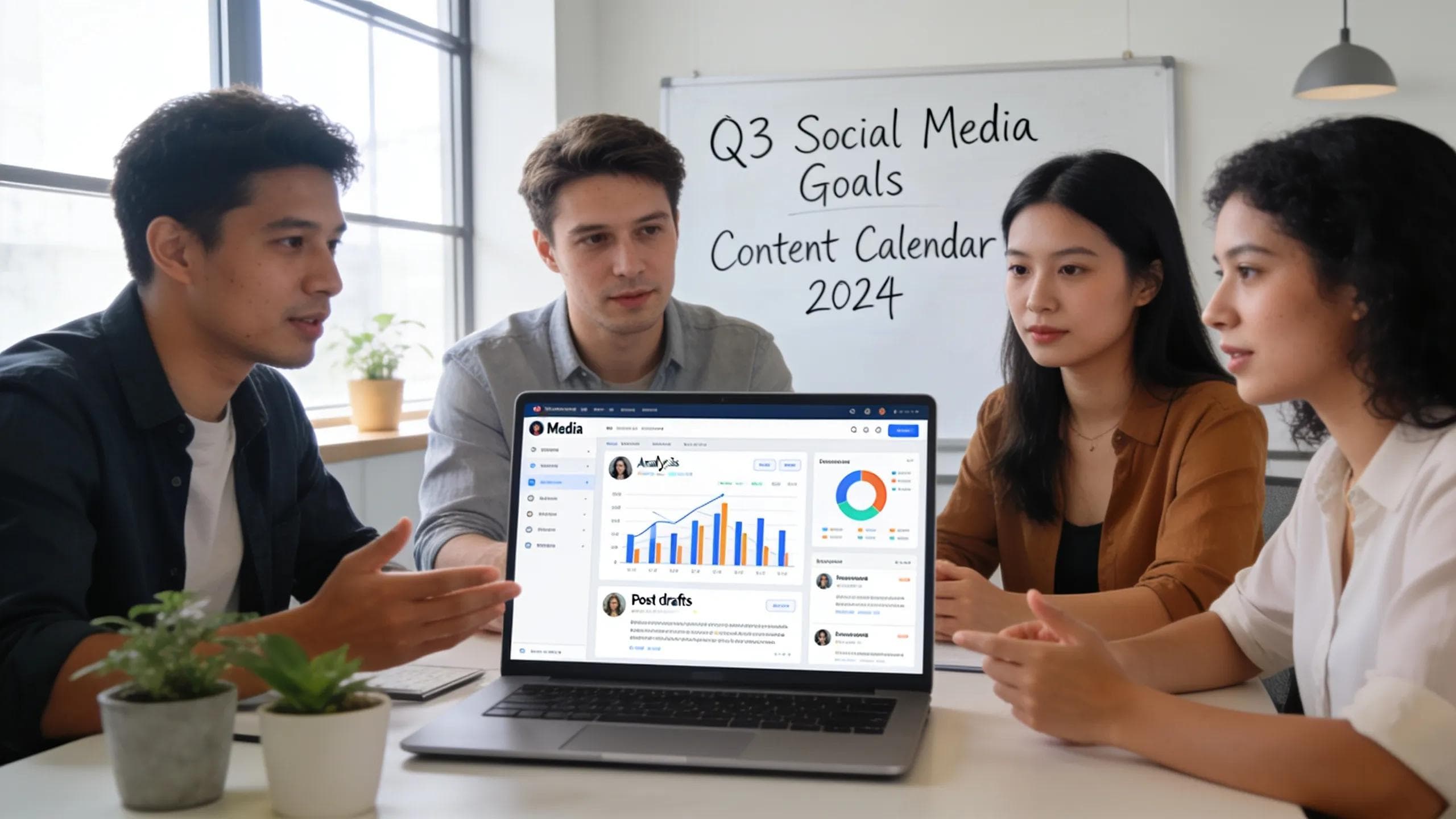

How to Overcome Common Social Media Marketing Challenges for Business Growth
By Justin Gray, Social Marketing Labs LLC
Navigating the landscape of social media marketing can be a daunting task for many businesses, especially small to medium-sized enterprises (SMEs). The rapid evolution of platforms and ongoing algorithm changes often leave businesses struggling to maintain relevance and engagement with their target audience. This article explores effective strategies to overcome common social media marketing challenges, ensuring sustainable business growth. Readers will gain insights into understanding these challenges, the role of AI-driven marketing solutions, and techniques to enhance engagement and ROI measurement. We will delve into specific challenges like algorithm impacts, resource limitations, and content creation difficulties, addressing each through actionable solutions.
Effective strategies for engagement and planning in social marketing, particularly for overcoming common challenges faced by businesses, include:

To tackle the myriad challenges in social media marketing, businesses must adopt effective strategies tailored to their specific needs. Here are some essential approaches:
- Define Clear Objectives: Establishing specific goals for social media efforts ensures that all campaign activities align with broader business targets. Clear objectives provide a roadmap for measurable outcomes.
- Targeted Content Creation: Creating content that resonates with the intended audience is vital for driving engagement. Understanding demographics and preferences allows businesses to tailor their messaging effectively.
- Utilize Localized Marketing: Focusing on local markets can significantly enhance engagement. Localized content can foster a deeper connection with the community, increasing brand loyalty and visibility.
- Leverage SEO: Integrating SEO practices into social media strategies can improve discoverability. Utilizing relevant keywords throughout content helps attract the right audience and enhances organic reach.
Incorporating AI-driven marketing solutions facilitates these strategies by offering data-driven insights and automation capabilities. Companies like Social Marketing Labs LLC specialize in providing such AI-driven marketing solutions to help businesses streamline their social media efforts, ensuring they remain competitive and efficient.
What Are the Most Common Social Media Marketing Challenges for Businesses?
Businesses face several challenges in their social media marketing efforts, including:
- Limited Resources Affect Engagement: Many SMEs struggle with limited budgets and personnel, leading to insufficient social media presence and engagement.
- Difficulty in Content Creation: Crafting high-quality content consistently can be overwhelming for businesses lacking dedicated marketing teams or expertise.
- Challenges in Measuring Engagement: Tracking the effectiveness of social media campaigns and understanding audience reactions can be complex, often leaving businesses uncertain about their ROI.
How Do Algorithm Changes Impact Social Media Marketing?
Algorithm changes on social media platforms can significantly affect organic reach. These changes determine what content is shown to users, which means that brands must continuously adapt their strategies. Keeping up with these changes requires ongoing education and flexibility, as what worked in the past may not suit the current environment.
What Obstacles Do Small to Medium-Sized Businesses Face in Social Media Engagement?
SMBs often face unique obstacles in social media engagement, primarily due to budget constraints and a lack of knowledge about effective strategies. This limitation can lead to missed opportunities for interaction, content distribution, and audience engagement. Additionally, the competition is fierce, making it crucial for SMBs to differentiate themselves through creative and effective marketing campaigns.
How Can AI-Driven Marketing Automation Help Overcome Social Media Challenges?

AI-driven marketing automation presents exciting opportunities for overcoming social media challenges. These tools streamline processes, allowing businesses to focus on strategy rather than execution.
- Intelligent Audience Targeting: AI algorithms analyze data to identify and target specific segments of the audience, enhancing the effectiveness of marketing campaigns.
- Personalized Ad Campaigns: Automation allows for the customization of ads based on user behavior and preferences, resulting in higher engagement rates.
- Automated Engagement: Chatbots and automated messaging systems can handle customer inquiries in real-time, improving customer experiences without requiring additional manpower.
What Are the Benefits of AI Tools for Social Media Content Planning?
AI tools provide numerous benefits for social media content planning, enabling businesses to optimize their strategies effectively.
- Automated Content Creation: AI technologies can generate relevant content ideas and even draft posts based on trending topics, saving valuable time.
- Enhanced Audience Targeting: With precise data analytics, businesses can tailor their content to meet the specific needs and interests of their audience, thereby increasing engagement.
- Real-Time Analytics: AI tools offer insights into content performance, enabling businesses to make prompt adjustments to their strategy based on data-driven feedback.
How Does Automation Improve ROI Measurement and Campaign Performance?
Automation plays a critical role in refining ROI measurement and boosting campaign performance. Implementing automated systems for tracking metrics ensures accuracy and efficiency in reporting.
- Key Performance Metrics: Automation tools can streamline the collection of key performance indicators (KPIs), providing insights into engagement rates, click-through rates, and conversion rates.
- Tools for Measurement: Various automation tools provide comprehensive dashboards that visualize performance, making it easier for businesses to gauge their success and areas for improvement.
- Best Practices for Performance Analysis: Regular reporting and analysis using automated tools allow businesses to develop informed strategies, driving continual improvement.
Which Social Media Engagement Tactics Can Increase Online Brand Awareness?
Increasing online brand awareness requires a multifaceted approach. Here are several effective engagement tactics:
- Compelling Content Creation: High-quality, engaging content that resonates with the audience can significantly boost visibility and foster sharing.
- Timely Responses to Inquiries: Quick interactions with followers establish a sense of community and trust, enhancing overall brand perception.
- Utilizing Visuals: Incorporating eye-catching visuals can greatly enhance posts’ impact, making them more shareable and likely to capture attention.
What Strategies Boost Audience Interaction and Content Reach?
To enhance audience interaction and broaden content reach, businesses can implement various strategies:
- Interactive Content: Quizzes, polls, and contests stimulate engagement while providing valuable insight into audience preferences.
- Collaborations with Influencers: Partnering with influencers can expand reach, as their followers may discover and engage with the brand.
- Video Content: Videos often generate higher engagement rates than static content, making them an excellent tool for capturing attention.
How Can Businesses Tailor Content to Targeted Demographics Effectively?
Tailoring content for specific demographics involves several key tactics:
- Audience Research: Conducting thorough research on demographics enables businesses to create targeted content that resonates.
- Cultural Sensitivity: Understanding cultural nuances within target demographics can enhance relatability and engagement.
- Segmented Campaigns: Developing segmented campaigns allows for personalized messaging that caters to the unique needs of different audience segments.
What Are the Best Social Media Marketing Tools for Small and Medium-Sized Businesses?
Several tools stand out as particularly effective for SMBs looking to enhance their social media marketing efforts.
- HubSpot: A comprehensive platform that facilitates automation, email marketing, and analytics to optimize campaigns.
- Mailchimp: Primarily focused on email marketing, it offers integrations that support social media campaigns and tools for managing audience engagement.
- Hootsuite: Ideal for managing social media accounts, Hootsuite allows businesses to schedule posts, track analytics, and engage with the audience seamlessly.
Which Platforms Offer Effective AI-Driven Marketing Solutions?
Various platforms offer AI-driven marketing solutions tailored for businesses seeking to enhance their social media strategies. These include:
- Buffer: This platform helps manage social media content through scheduling and analytics, featuring intelligent insights to optimize engagement.
- Sprout Social: Providing advanced analytics and content scheduling, Sprout Social leverages AI to enhance marketing effectiveness.
- Later: Known for its visual content planning capabilities, Later optimizes post timing using AI analytics based on audience behavior.
How Can Businesses Integrate These Tools to Automate Campaign Management?
Integration of these tools can significantly improve efficiency in campaign management. Steps to achieve this include:
- Unified Dashboards: Using primary dashboards to consolidate data from multiple tools provides a holistic view of marketing performance.
- Automated Reporting: Setting up automated reports allows businesses to evaluate campaign effectiveness without manual input.
- Cross-Platform Engagement: Ensuring that all marketing tools communicate effectively with one another enhances the overall strategy, enabling cohesive engagement across channels.
How to Measure and Analyze Social Media Marketing Success for Sustainable Business Growth?
Measuring social media marketing success involves understanding key metrics that reflect engagement and effectiveness.
- Understand Key Performance Indicators: Key performance indicators such as reach, engagement rate, and conversion rate are vital in determining the success of social media campaigns.
- Use Analytics Tools: Utilizing tools like Google Analytics and social media insights can provide valuable data on audience behavior and content performance.
- Monitor Campaign Effectiveness: Regularly tracking and reviewing campaign outcomes allows businesses to adapt their strategies based on data-driven insights.
What Key Metrics Reflect Effective Social Media Campaigns?
Several metrics indicate the effectiveness of social media campaigns:
- Engagement Rate: Gauges how well the audience interacts with content, providing insight into its resonance.
- Click-Through Rate (CTR): Measures how often people click on links within social media posts, an indicator of content relevance and effectiveness.
- Conversion Rate: A critical metric that reflects how many users completed a desired action, such as making a purchase or signing up for a newsletter.
How Can Businesses Use Analytics to Adapt to Algorithm Changes?
Adapting to algorithm changes requires agility and an analytical approach:
- Regular Review of Analytics: Frequent examination of performance metrics helps identify trends and shifts in audience behavior.
- A/B Testing: Conducting A/B tests on content can pinpoint what resonates best with the audience.
- Feedback Loops: Utilizing feedback from audience interactions can inform content adjustments and optimization strategies to align with evolving algorithms.

justin
Contributor