

How to Build a Marketing Funnel That Converts Leads Into Paying Customers Using AI Marketing Automation Tools
Creating a marketing funnel that effectively converts leads into paying customers is essential for any small business aiming for sustainable growth. A well-structured funnel guides potential customers through their buying journey, addressing their needs and concerns at each stage. This article will explore the essential stages of a small business sales funnel, the role of AI marketing automation tools in optimizing these processes, and effective lead conversion strategies. By understanding these components, businesses can enhance their marketing efforts and ultimately increase revenue. We will also discuss how customer journey mapping can improve funnel performance and best practices for digital marketing funnel optimization. For businesses ready to take the next step, apply to expert marketing programs that can accelerate growth.
What Are the Essential Stages of a Small Business Sales Funnel?
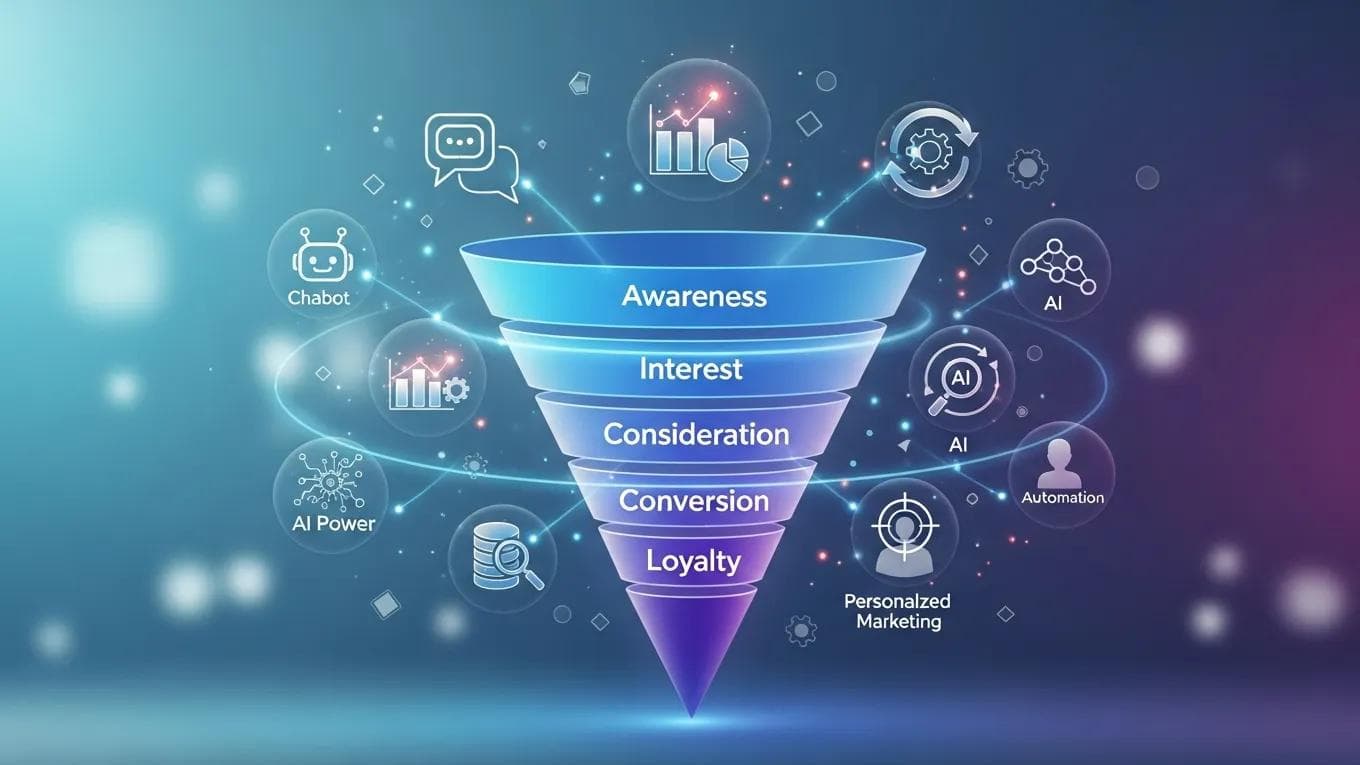
A sales funnel is a visual representation of the customer journey, illustrating the steps potential customers take from awareness to purchase. The essential stages of a small business sales funnel include awareness, interest, consideration, intent, evaluation, and purchase. Each stage plays a crucial role in converting leads into customers, as it helps businesses tailor their marketing strategies to meet the specific needs of their audience.
How Does Each Stage Contribute to Lead Conversion?
Each stage of the sales funnel contributes uniquely to lead conversion. In the awareness stage, potential customers discover your brand through various channels, such as social media, blogs, or advertisements. The interest stage involves engaging these leads with valuable content that addresses their pain points. During the consideration stage, leads evaluate your offerings against competitors, making it essential to highlight your unique selling propositions. The intent stage indicates a lead’s readiness to purchase, while the evaluation stage involves final comparisons before making a decision. Finally, the purchase stage is where the conversion occurs, and effective follow-up can lead to repeat business.
What Are Common Challenges in Small Business Funnel Steps?
Small businesses often face several challenges in their sales funnels. One common issue is generating sufficient awareness, as many startups struggle to reach their target audience effectively. Additionally, maintaining engagement throughout the funnel can be difficult, leading to potential drop-offs. Another challenge is the lack of resources to implement sophisticated marketing strategies, which can hinder the ability to nurture leads effectively. Adapting to changing consumer behaviors and preferences is also crucial, as businesses must continuously refine their approaches to stay relevant.
How Can AI Marketing Automation Tools Optimize Your Digital Marketing Funnel?

AI marketing automation tools can significantly enhance the efficiency and effectiveness of your digital marketing funnel. These tools streamline various processes, allowing businesses to focus on strategy and creativity rather than repetitive tasks. By leveraging AI, companies can analyze customer data, predict behaviors, and personalize marketing efforts, ultimately leading to higher conversion rates.
Which AI Tools Automate Lead Nurturing and Scoring?
Several AI tools are available to automate lead nurturing and scoring, making it easier for businesses to manage their sales funnels. For instance, platforms like HubSpot and Marketo offer comprehensive solutions that include lead scoring algorithms, email automation, and customer segmentation features. These tools help businesses identify high-quality leads and tailor their marketing efforts accordingly, ensuring that resources are allocated effectively.
How Does AI Improve Conversion Rates in Marketing Funnels?
AI improves conversion rates by providing insights into customer behavior and preferences. By analyzing data from various touchpoints, AI can identify patterns that inform marketing strategies. For example, AI can suggest optimal times to send emails or recommend content that resonates with specific audience segments. This level of personalization enhances the customer experience, making it more likely that leads will convert into paying customers.
Further research delves into advanced AI methodologies, such as reinforcement learning and predictive analytics, to dynamically optimize marketing funnels and enhance conversion.
AI-Enhanced Marketing Funnel Optimization for Conversion
AbstractThis research paper investigates the integration of reinforcement learning (RL) and predictive analytics within AI-enhanced marketing funnel optimization, aiming to improve conversion rates and customer engagement. Leveraging the dynamic decision-making capabilities of RL, the study proposes a novel framework that autonomously adapts marketing strategies in real-time based on consumer interaction data and market conditions. Predictive analytics is employed to forecast customer behaviors and segment audiences effectively, thereby refining the input for the RL model and enhancing its learning efficiency. The paper outlines the development and testing of an RL model that capitalizes on historical and contextual data to adjust marketing tactics across various stages of the funnel—from awareness to conversion. By simulating multiple scenarios, the model demonstrates significant improvements in targeting precision, engagement metrics, and overall marketing ROI.
Leveraging Reinforcement Learning and Predictive Analytics for AI-Enhanced Marketing Funnel Optimization, 2022
What Lead Conversion Strategies Are Most Effective for Small Businesses?
Implementing effective lead conversion strategies is crucial for small businesses looking to maximize their marketing efforts. These strategies should focus on building relationships with leads and addressing their specific needs throughout the funnel.
How to Implement Personalized Lead Nurturing Tactics?
Personalized lead nurturing tactics involve tailoring communication and content to individual leads based on their behaviors and preferences. This can be achieved through targeted email campaigns, personalized landing pages, and relevant content recommendations. By understanding the unique needs of each lead, businesses can create a more engaging experience that fosters trust and encourages conversion.
Which Metrics Track Successful Lead Conversion?
Tracking the right metrics is essential for measuring the success of lead conversion strategies. Key performance indicators (KPIs) to monitor include conversion rates, lead-to-customer ratios, and customer acquisition costs. Additionally, businesses should analyze the effectiveness of their marketing channels and campaigns to identify areas for improvement. Regularly reviewing these metrics allows companies to refine their strategies and optimize their sales funnels.
How Does Customer Journey Mapping Enhance Funnel Performance?

Customer journey mapping is a valuable tool for enhancing funnel performance. By visualizing the entire customer experience, businesses can identify key touchpoints and areas for improvement. This process helps companies understand how customers interact with their brand and where they may encounter obstacles in their journey.
What Are Key Touchpoints to Track in the Customer Journey?
Key touchpoints to track in the customer journey include initial brand awareness, website visits, social media interactions, email engagements, and post-purchase follow-ups. Monitoring these touchpoints allows businesses to assess the effectiveness of their marketing efforts and make necessary adjustments to improve the overall customer experience.
How to Use Analytics to Refine Customer Journey Maps?
Using analytics to refine customer journey maps involves collecting and analyzing data from various sources, such as website analytics, customer feedback, and social media insights. By examining this data, businesses can identify trends and patterns that inform their marketing strategies. Regularly updating customer journey maps based on analytics ensures that businesses remain responsive to changing customer needs and preferences.
What Are Best Practices for Digital Marketing Funnel Optimization?
Optimizing your digital marketing funnel requires a strategic approach that incorporates best practices tailored to your business’s unique needs. These practices can help improve conversion rates and enhance overall marketing effectiveness.
How to Integrate Structured Data and Visuals for Better Engagement?
Integrating structured data and visuals into your marketing funnel can significantly enhance engagement. Structured data helps search engines understand your content better, improving visibility in search results. Additionally, using visuals such as infographics, videos, and images can make your content more appealing and easier to digest, leading to higher engagement rates.
Which Case Studies Demonstrate AI Impact on Funnel Conversion?
Several case studies illustrate the positive impact of AI on funnel conversion. For example, a small e-commerce business implemented AI-driven product recommendations, resulting in a 30% increase in conversion rates. Another case study highlighted how a company used AI to optimize its email marketing campaigns, leading to a 25% improvement in open rates and a significant boost in sales. These examples demonstrate the potential of AI to transform marketing funnels and drive revenue growth.
For businesses interested in leveraging these strategies, applying to specialized marketing programs can provide tailored support and resources.

justin
Contributor