
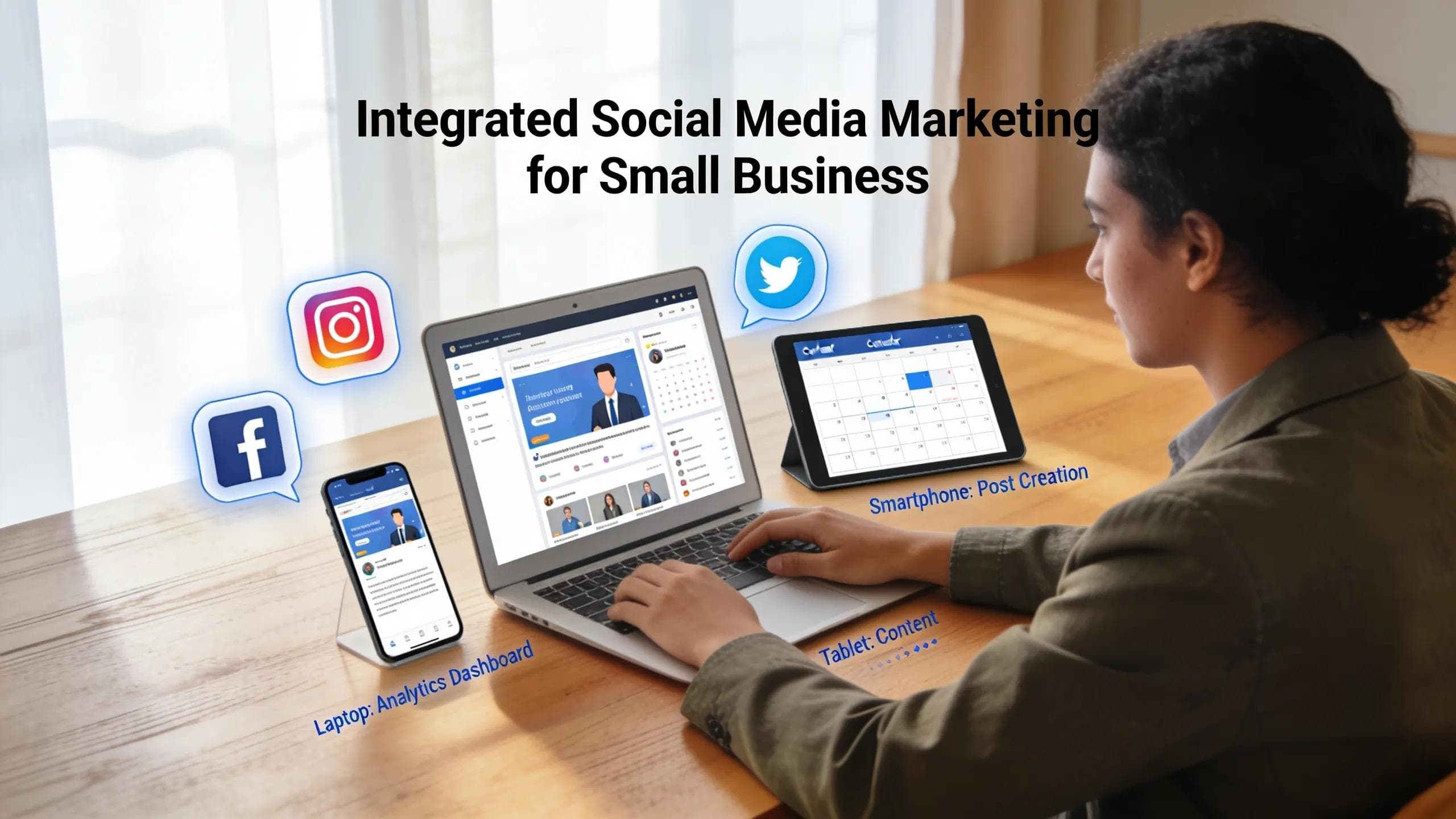

How Integrated Social Media Marketing Tactics Boost Marketing ROI Effectively
By Justin Gray, Social Marketing Labs LLC
In the digital age, integrated social media marketing has emerged as a crucial strategy for businesses aiming to enhance their return on investment (ROI). Successful integration of multiple platforms allows brands to capitalize on the specific strengths of each medium while creating a cohesive message that resonates with their target audience. As companies navigate the complexities of online engagement, understanding the direct correlation between these integrated tactics and increased ROI becomes essential. In this article, we will explore effective tactics for integrated social media marketing, the impact on ROI, measurement techniques, and the role of artificial intelligence in optimizing marketing effectiveness. Specifically, we will discuss actionable strategies that businesses, particularly small to medium-sized enterprises, can implement to see tangible returns on their marketing efforts.
Effective Tactics of Integrated Social Media Marketing
Integrated social media marketing combines various platforms to amplify marketing efforts and improve engagement with audiences. By utilizing a mix of channels, businesses can target diverse user demographics and preferences. Here are some effective tactics:
- AI-Driven Audience Targeting: Utilizing artificial intelligence to analyze user behavior fosters more precise audience segmentation and targeting, ensuring that marketing messages hit their desired mark.
- Real-Time Analytics: Implementing tools that provide real-time insights allows marketers to adjust campaigns promptly based on current performance and audience interactions.
- Automated Campaigns: Automating repetitive tasks and content dissemination enhances efficiency, enabling marketers to focus on strategy and creative development while maintaining consistent messaging across platforms.
- Content Planning and Strategy: A well-planned content calendar that aligns across all social media channels ensures consistent messaging, helps avoid audience fatigue, and maximizes engagement.
These tactics not only enhance visibility but also contribute to a stronger connection with the audience.
Impact on Return on Investment

The integration of social media marketing tactics directly influences a business’s ROI through several mechanisms. Analyzing the effectiveness of these tactics reveals their contributions:
Enhanced Campaign Effectiveness
Integrated strategies improve overall campaign performance by addressing multiple touchpoints of consumer interaction. For instance, brands that utilize consistent messaging across platforms can expect enhanced brand recall, often leading to increased sales and customer loyalty. A coordinated approach can also amplify the heart of campaigns, making them more memorable and shareable.
Informed Budget Allocations
Effective integration allows businesses to allocate their marketing budgets more strategically. By utilizing analytics from different platforms, marketers can identify which strategies yield the best results. For example, if a particular campaign performs well on Instagram but not on Facebook, reallocating funds to amplify Instagram efforts can lead to substantial ROI improvements.
Cost Efficiency
Integrated social media marketing often results in lower customer acquisition costs. By using multifaceted campaigns that optimize existing content and leverage cross-promotion, companies can reduce the amount spent acquiring new customers. For instance, repurposing content across different channels can minimize expenditures while maintaining content quality.
Following these practices enables businesses to maximize their marketing budgets effectively and improve overall ROI.
What Are Integrated Social Media Marketing Campaigns?
Integrated social media marketing campaigns refer to coordinated efforts that combine messaging and branding across multiple platforms such as Facebook, Instagram, Twitter, and LinkedIn. These campaigns are designed to ensure that each channel reinforces the others, providing a comprehensive experience for the consumer.
How Does Multi-Platform Integration Enhance Campaign Performance?
Multi-platform integration enhances campaign performance by reaching potential customers where they are most active. For example, a campaign launched simultaneously on Instagram, Facebook, and Twitter can capture a wider audience by utilizing the unique strengths of each platform—engagement on Instagram through visuals, community discussions on Facebook, and timely updates on Twitter. This kind of synergy ensures maximum visibility.
Which Social Media Marketing Tactics Drive Better Engagement?
Certain tactics are particularly effective for driving engagement. Research shows that the following strategies are vital:
- Interactive Content: Polls, quizzes, and contests encourage participation and create a sense of community.
- Video Content: Utilizing video on platforms such as TikTok and Instagram Stories attracts attention, providing a more appealing format.
- Influencer Collaborations: Partnering with influencers can enhance trust and broaden audience reach. Authentic endorsements often translate into higher engagement rates.
By employing these strategies, companies can foster a more engaged audience, resulting in enhanced ROI from marketing efforts.
How Can You Measure Social Media Marketing ROI Accurately?
Measuring social media marketing ROI is critical for understanding campaign effectiveness and profitability. Organizations must employ a variety of metrics and tools tailored to their goals.
Relevant Metrics
Key metrics for measuring social media ROI include:
- Customer Acquisition Cost (CAC): Understanding how much is spent to acquire a new customer through social media campaigns.
- Lifetime Value of a Customer (LTV): Estimating the total revenue generated by a customer throughout their relationship with the brand.
- Return on Ad Spend (ROAS): Analyzing the revenue generated for every dollar spent on social media advertising provides insight into the effectiveness of different campaigns.
These metrics, when appropriately combined, offer a robust framework for assessing marketing efforts.
Tools for Measurement
Various tools can facilitate accurate measurement of social media marketing ROI:
- Analytics Platforms: Google Analytics and Facebook Insights provide detailed performance data and audience insights.
- Social Listening Tools: Tools like Hootsuite and Sprout Social help marketers track brand mentions and sentiment analysis.
- ROI Calculators: Calculators specifically designed for social media can help in understanding the profitability of campaigns.
By leveraging these tools, organizations can gain insights necessary to refine their strategies continually.
Methodologies for Effective Assessment
Best practices for assessing social media ROI include:
- Defining Clear Goals: Establishing measurable objectives aligned with broader business goals for each campaign.
- Utilizing KPIs Effectively: Identifying key performance indicators relevant to specific campaigns helps in performing accurate assessments.
- Continuous Monitoring: Regular reviews of campaign performance allow marketers to pivot strategies promptly to enhance ROI.
Developing a systematic approach to social media ROI measurement allows brands to optimize their marketing strategies effectively.
What Social Media Engagement Metrics Should Marketers Track?
Engagement metrics are essential for understanding how audiences interact with content. The following metrics are crucial:
- Likes and Shares: These metrics indicate how much audiences value the content shared.
- Comments: Monitoring comments can provide insights into audience opinions and concerns, guiding future content.
- Click-Through Rates (CTRs): CTRs measure how effectively content drives users to external resources, such as websites.
Tracking these metrics enables businesses to evaluate the effectiveness of their engagement strategies.
Which Tools Are Best To Measure Marketing ROI in Integrated Campaigns?
Selecting the right tools is crucial for measuring marketing ROI effectively. The following tools are considered among the best for this purpose:
- Google Analytics: Essential for tracking website traffic and conversion rates stemming from social media marketing efforts.
- Hootsuite: Allows users to manage multiple social accounts in one place, providing analytics to gauge performance across platforms.
- HubSpot: Offers comprehensive marketing analytics, integrating various inbound marketing efforts, including social media campaigns.
Utilizing these tools ensures that businesses can accurately measure their marketing effectiveness and adjust strategies accordingly.
What Role Does AI Play in Enhancing Integrated Social Media ROI?
AI is revolutionizing marketing by streamlining operations and improving targeting accuracy, ultimately enhancing ROI.
How Does AI Automate Social Media Marketing Workflows?
AI automates many aspects of social media marketing, including:
- Content Scheduling: AI algorithms optimize the timing and frequency of posts to enhance engagement.
- Customer Interactions: Chatbots driven by AI provide timely responses to customer inquiries, improving satisfaction.
- Data Analysis: Advanced analytics utilize AI to interpret large volumes of data, allowing for more strategic decision-making.
This automation not only saves time but also enhances precision in marketing efforts.
How Can Real-Time AI Analytics Improve Campaign Targeting and Attribution?
Real-time AI analytics facilitates dynamic campaign adjustments based on immediate feedback from audience interactions. Businesses can optimize ads, tweak messaging, and target specific demographics more effectively. By employing AI for predictive analysis, marketers gain insights into potential customer behaviors, allowing for more tailored marketing strategies.
Which Case Studies Demonstrate Revenue Growth via Integrated Social Media?
Several case studies showcase the effectiveness of integrated social media strategies in driving revenue growth. Companies that have streamlined their campaigns across platforms have reported significant increases in both engagement and sales. For instance, brands utilizing cohesive messaging across Instagram and Facebook witnessed average increases of 25% in sales within three months of implementation.
What Are Recent Industry Statistics on Integrated Social Media ROI?
Recent statistics indicate that companies with effectively integrated social media campaigns see up to 39% higher returns on their marketing investments. Moreover, businesses that leverage AI-driven analytics experience a reduction in customer acquisition costs by approximately 15-20%.
How Do Small and Medium Businesses Benefit from Integrated Marketing?
Small and medium businesses often struggle to reach competitive marketing standards due to limited resources. However, integrated social media marketing empowers them to:
- Increase Brand Visibility: Multi-platform strategies enhance reach and awareness within the market.
- Optimize Marketing Budgets: Integrative approaches reduce costs and maximize impact, allowing for efficient use of funds.
- Build Customer Relationships: Consistency across platforms fosters stronger ties with audiences, enhancing loyalty and retention.
These benefits highlight the potential for growth when employing integrated strategies effectively.
How Do You Implement an Effective Integrated Social Media Marketing Strategy?
Implementing an effective strategy requires careful planning and execution:
- Define Your Objectives: Clarify the goals for your integrated strategy — whether to enhance brand awareness, increase sales, or improve customer engagement.
- Identify Target Audiences: Use data-driven insights to understand where your audience is most active and how they interact with similar brands.
- Craft a Cohesive Message: Develop messages that align across all channels, reinforcing brand identity and purpose.
- Utilize Tools and Analytics: Leverage analytics tools to track performance continually and make data-informed adjustments.
What Are Best Practices for Aligning Social Channels and Content?
Successful alignment of social channels requires:
- Consistency in Branding: All channels should reflect the same brand voice, visuals, and values.
- Individual Channel Strengths: Recognize the unique attributes of each platform and tailor content accordingly.
- Regular Updates and Engagement: Interact with audiences consistently and update campaigns based on emerging trends to remain relevant.
Adopting these practices ensures effective engagement and message consistency across various social media platforms.
How Should You Use Data and Metrics to Continuously Optimize ROI?
To leverage data effectively, marketers must:
- Analyze Performance Regularly: Routine checks on metrics inform adjustments, ensuring campaigns remain relevant and effective.
- Test Different Strategies: Implement A/B testing for various elements of campaigns to discern which resonate best with the audience.
- Adapt to Audience Feedback: Use qualitative data from comments and interactions to improve and personalize future content.
Applying these methods facilitates continued improvement and ROI optimization.
What Are the Best Social Media Tools for ROI-Focused Marketers?
The following tools provide essential features for marketers focused on ROI:
- Sprout Social: Useful for analytics and engagement metrics, ensuring marketers have clear insights.
- Buffer: Ideal for content scheduling and performance analytics across platforms.
- Canva: Offers design capability for creating visually engaging content that captures audience attention.
These tools can significantly enhance the effectiveness of social media campaigns, thereby optimizing ROI.
Which Platforms Offer AI-Powered Features for ROI Enhancement?
Several platforms now offer AI-driven features that enhance ROI:
- Facebook Ads: Leverages AI for improved audience targeting and campaign optimization.
- Google Ads: Uses machine learning to adjust bids based on performance trends, maximizing investment returns.
- LinkedIn Marketing Solutions: Employs AI to optimize content delivery and increase engagement among professionals.
By utilizing these features, marketers can significantly bolster their campaign effectiveness and overall ROI.
How Do Integration Capabilities Vary Among Top Social Media Management Tools?
Each social media management tool differs in integration capabilities. Factors to consider include:
- API Accessibility: Ease of connecting other platforms enhances functionality.
- User Interface: An intuitive design can significantly improve user experience and efficacy.
- Cost Structure: Understanding pricing models ensures alignment with budget constraints, particularly crucial for small businesses.
Understanding these variances enables marketers to select the best tools that align with their integrated strategies and objectives.

justin
Contributor